
Molina’s View of Gabriel’s Working Life
Kiss of the Spider WomanGabriel’s history, as Molina recounts it, connects personal admiration to class disadvantage and the limits of romantic rescue.
increasing Bearing strength in each event
 decreasing
Bearing strength in each eventdecreasingA Worker’s Poise
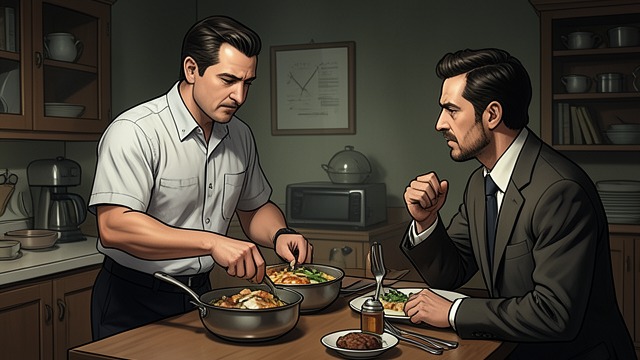
A Worker’s Poise
Skill noticed
Molina admires Gabriel’s graceful service and his composure when customers treat him rudely.
Dignity in ordinary work
The restaurant becomes a place where Molina sees competence that society overlooks.
Work from Childhood
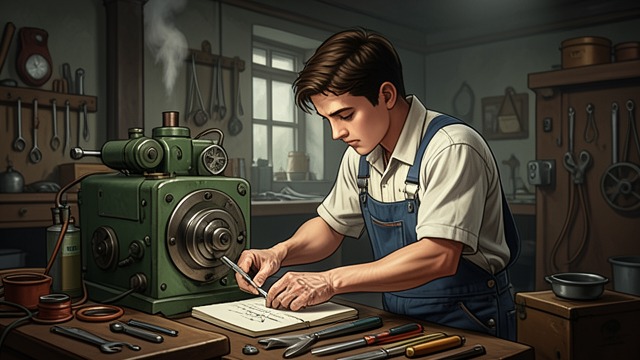
Work from Childhood
Limited opportunity
Gabriel works while young, learns mechanics, and later enters professional football.
A life narrowed
His abilities do not remove the economic and social constraints shaping his choices.
A Career Abandoned

A Career Abandoned
Conflict with unfairness
Gabriel quits football after confronting favoritism and injustice in the sport.
A pattern repeated
His refusal to stay silent later complicates his prospects in factory work.
Dismissal from the Factory
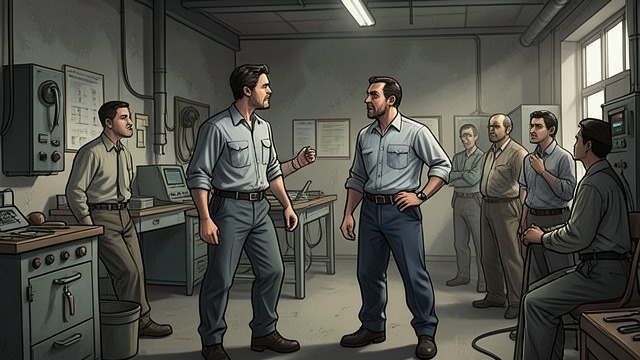
Dismissal from the Factory
Solidarity has a price
Gabriel sides with older part-time workers and refuses the boss’s demand to conform.
Economic setback
He leaves without severance and eventually accepts restaurant work.
No Romantic Rescue
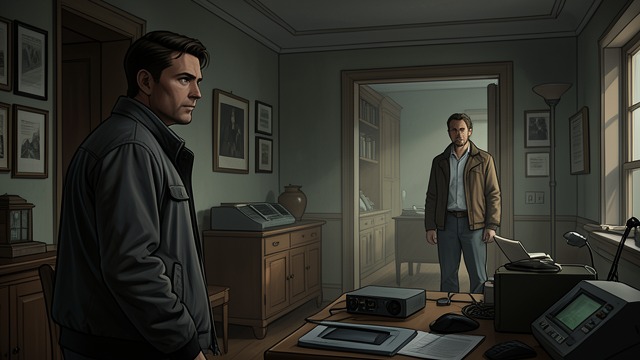
No Romantic Rescue
An unreturned desire
Molina imagines supporting Gabriel but recognizes that Gabriel remains committed to his wife and children.
Admiration revised
Love becomes concern for Gabriel’s dignity rather than a promise of possession.
during Molina’s account of their first meetings
as Gabriel recounts his youth
after Gabriel enters professional football
after more than a decade of factory employment
when Molina reflects on Gabriel in prison
